
PurplePerfect develops corporate films, project documentaries, technical explanations and safety communication for industrial, energy and construction assignments in Malaysia. We connect message development, filming and editing with the people who can explain and approve the work.
Your project may involve an operating plant, an offshore asset, construction milestones or a process that is difficult to see. The first conversation should establish what the audience needs to understand and what evidence the operation can realistically provide.
Make the capability visible
Show how people, processes, equipment and quality controls work together. Useful for capability presentations, customer qualification, recruitment and technical explanation.
Respect the operation and explain the sequence
Plan around access, mobilisation, critical activities and specialist review. Useful for project records, stakeholder communication, decommissioning documentaries and safety programmes.
Connect the milestone to the method
Explain the scope, phases, interfaces and engineering decisions behind the visible structure. Useful for project showcases, tender presentations, progress records and completed-project films.
Who needs to believe what?
An engineer may need sequence and method. Procurement needs relevant capability and responsibility. Leadership needs a clear account of value. Agree the primary audience before asking one film to serve everyone equally.
Choose the film around its business job
| Communication job | Useful approach | Evidence to prepare |
|---|---|---|
| Demonstrate company capability | A focused corporate or capability film linking expertise with relevant work. | Approved claims, people, processes, facilities and project examples. |
| Explain a complex project | A documentary or milestone account with specialist explanation and accurate chronology. | Programme phases, critical operations, archive footage, technical reviewers and completed milestones. |
| Support a tender or investor presentation | A concise account of the business or relevant delivery capability. | Scope attribution, client-cleared evidence and approved disclosures. Confirm confidentiality. |
| Record construction progress | Agreed recurring coverage, interviews or time-lapse where suitable. | Milestone programme, capture frequency, camera permissions, power/connectivity and installation responsibilities. |
| Explain a hidden process | Technical animation combined with real footage where it improves understanding. | Approved drawings, operating logic, terminology and a technical validation route. |
| Prepare people for work | Audience-specific induction or task-communication modules. | Current HSE sources, approved instructions, languages and assessment responsibilities. |
A film is only useful if it can be deployed. Define the presentation setting, audience, languages, duration and screen formats with the scope. A tender excerpt, exhibition loop and detailed project documentary need different editorial choices.
Explore the working evidence
See how technical detail changed the work
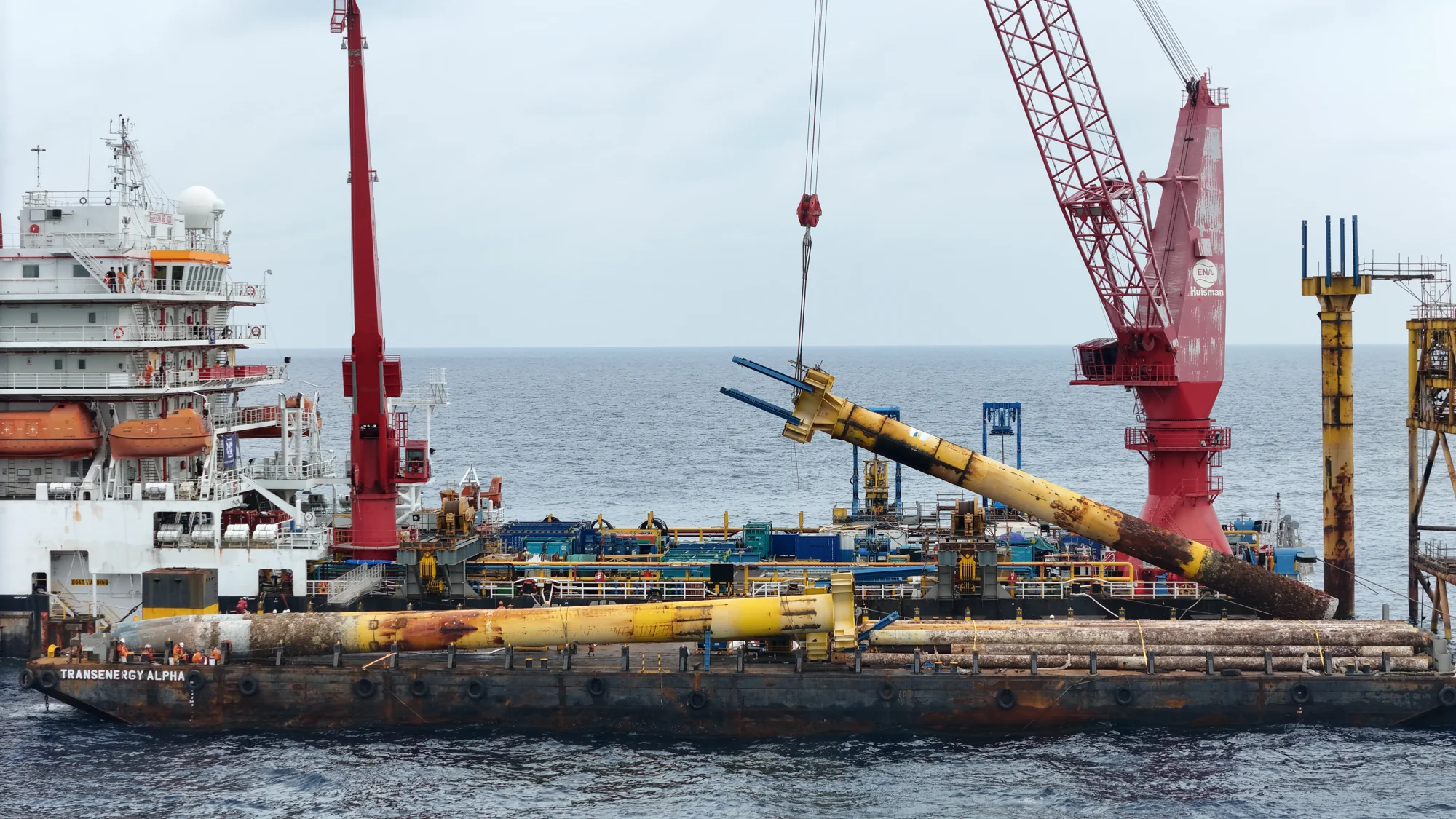
Marine Masters
Offshore decommissioning: technical review shaped shot order, equipment explanation and the distinction between load-in and another contractor’s disposal scope.
Read the project decisions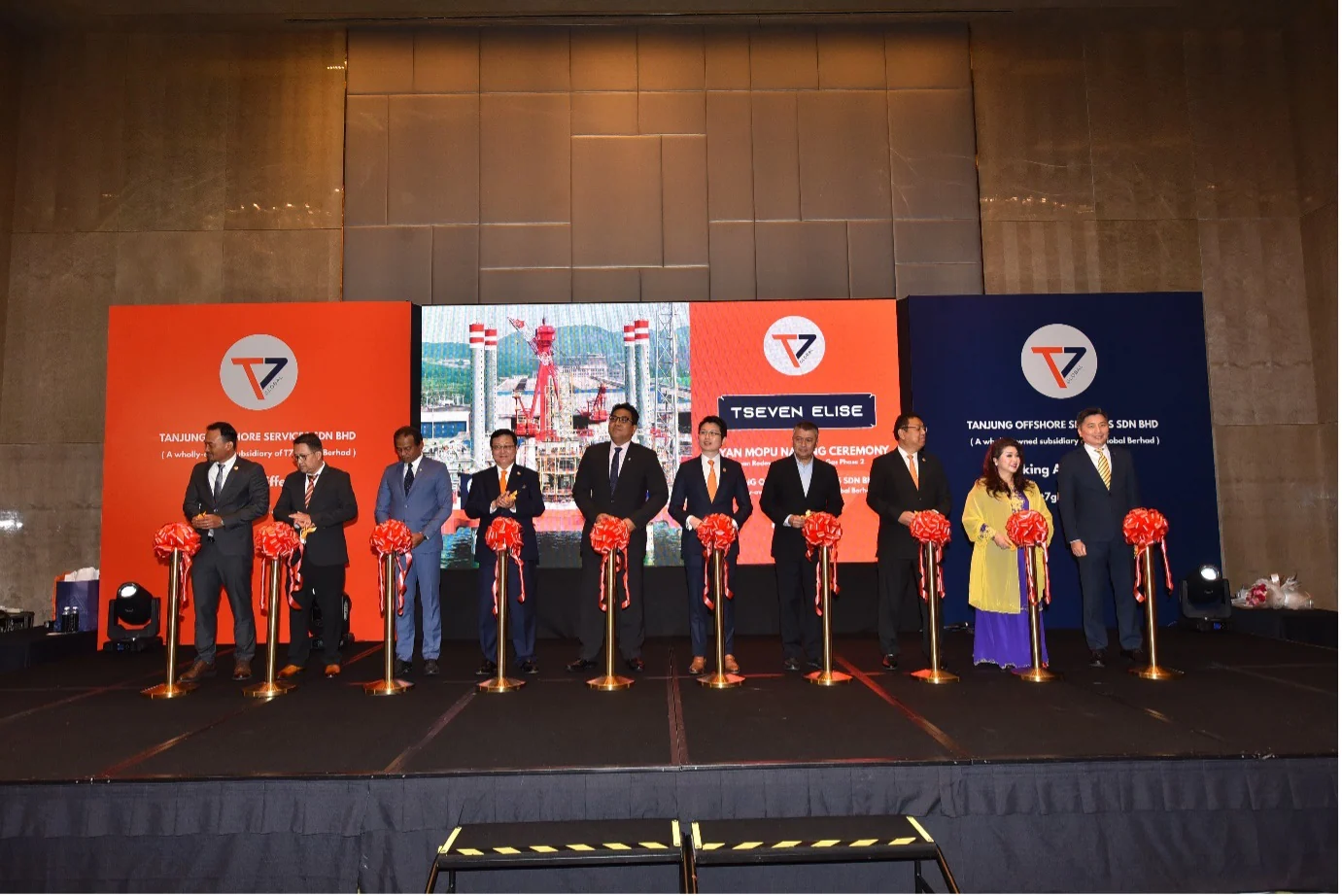
T7 ELISE MOPU
Offshore engineering: connect construction records, field imagery and milestones while respecting access arrangements and technical continuity.
Explore the engineering story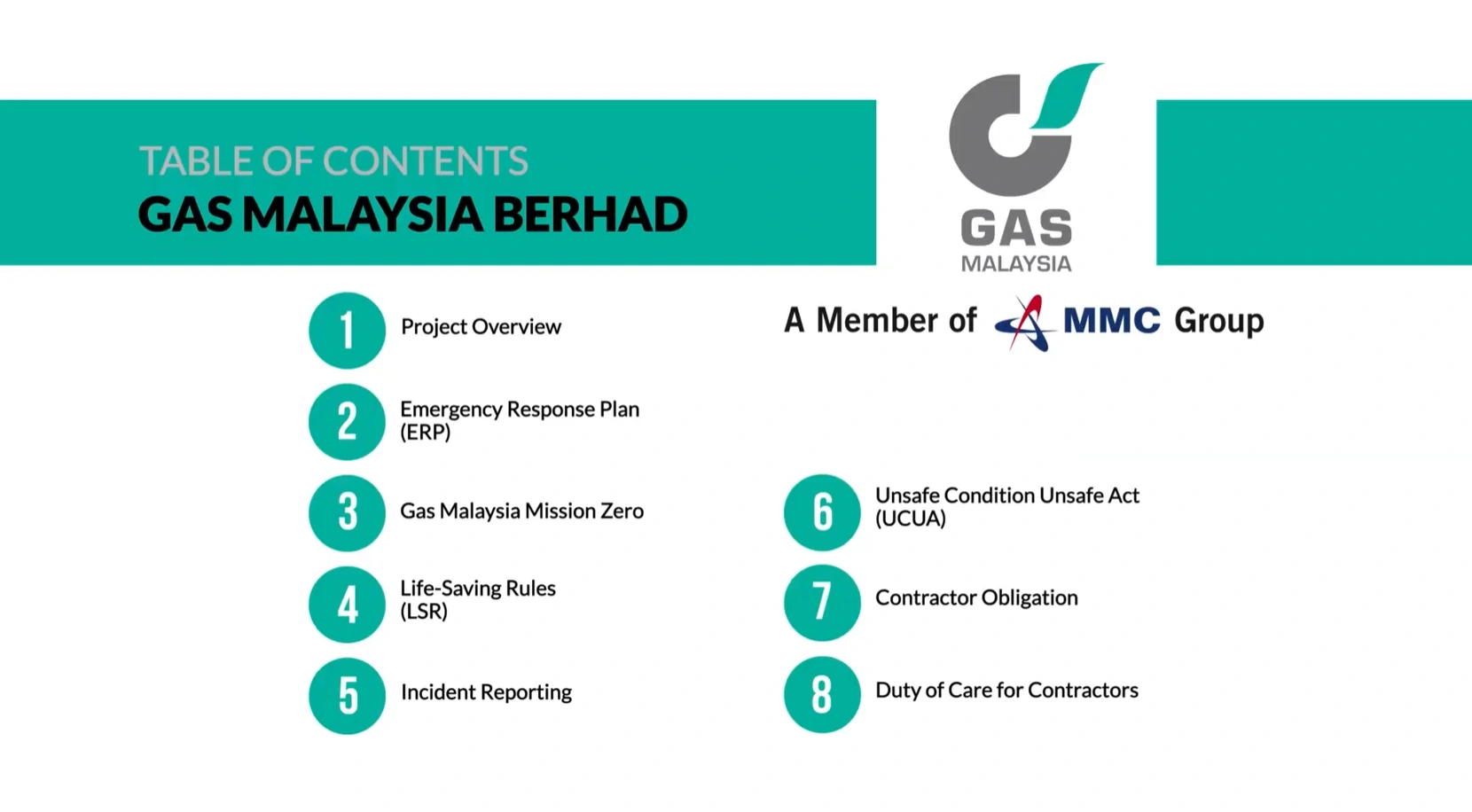
Gas Malaysia
Safety communication: four distinct modules, English and Malay language work, and technical review of scripts and visuals.
Explore the audience approach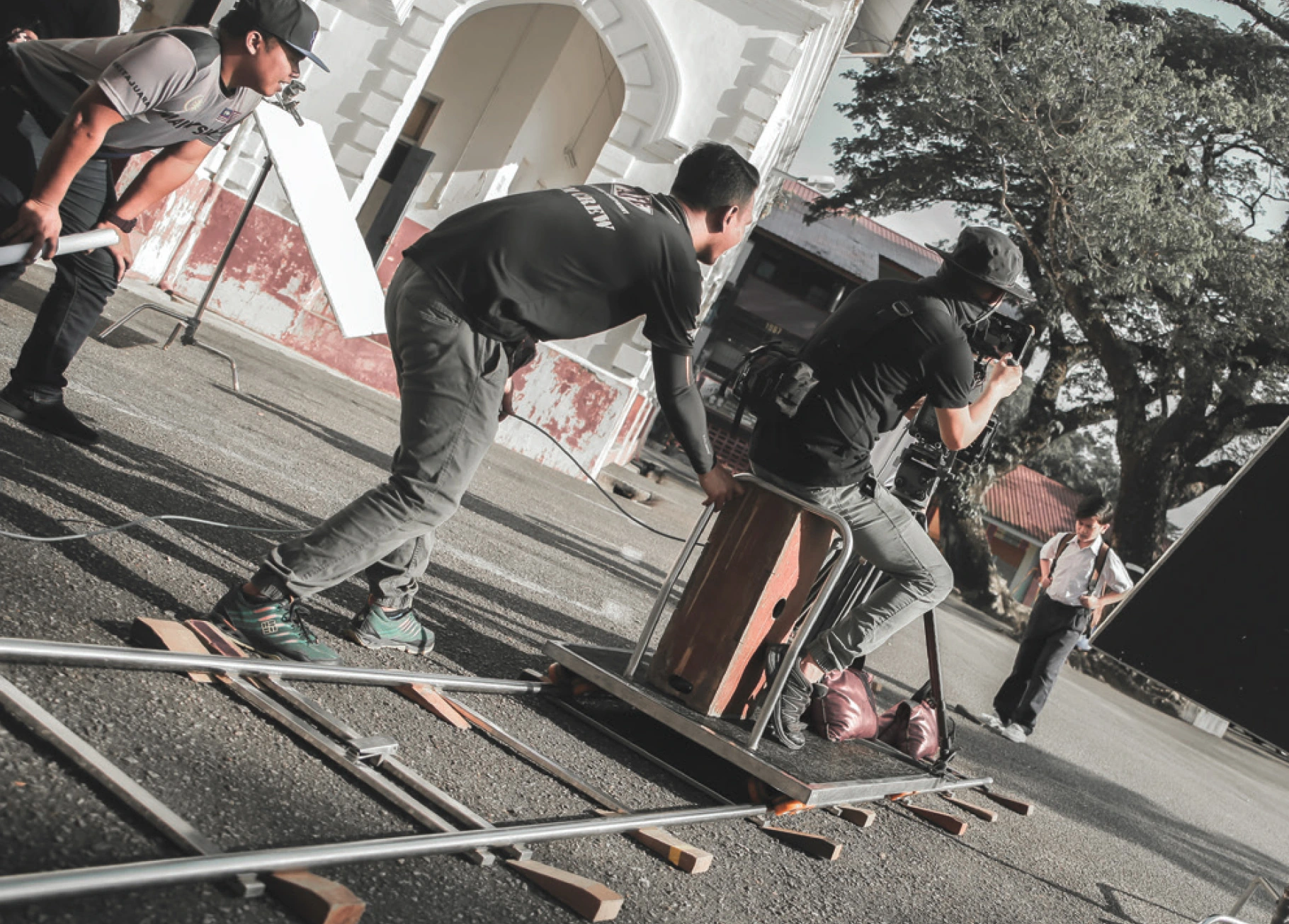
Complex approval programmes
Our KLIA BHS documentary experience illustrates how several reviewing organisations affect the calendar. Image: PurplePerfect general production, not the KLIA project.
Understand the approval timelineUnderstand the operation before shaping the coverage
The production logic
What must the viewer understand? Which claims can the client substantiate?
Which activity, access window and authorised reviewer make the footage possible and meaningful?
Does the sequence, narration and graphic explanation describe the same stage and scope?
A camera can record an operation without explaining it. For engineering and construction work, the relationship between shots may carry as much meaning as the shots themselves. A completed structure must not imply that an earlier phase was already complete; a subcontractor’s work must not be attributed to the wrong party.
We use the client’s technical input to resolve those distinctions. Where filming cannot show a process clearly or safely, discuss animation, approved diagrams or existing records. Each option has different source, rights, review and cost requirements.
Questions to settle before appointing a production team
Open the questions closest to your assignment. They reveal the decisions that determine feasibility, price and confidence in the finished film.
Can you film while the plant or construction site remains operational?
First establish the permitted filming areas, operating schedule, escorts, exclusions and whether any activity must pause. Agree a coverage plan with the site representative and assess the production’s own risks. An active operation may make some shots unavailable; identify alternatives before the shoot.
Bring: the work programme, access contact, intended filming areas and any known restrictions.
How do we explain specialist work to non-engineers without losing accuracy?
Agree the minimum technical meaning the audience must retain. Use a clear sequence, visual comparison or approved animation to explain the mechanism. Ask a specialist to check the explanation and a representative non-specialist to explain what they understood.
Bring: an expert contact, approved terminology and the audience’s likely starting knowledge.
What if the critical operation happens only once?
Identify it early and distinguish essential coverage from desirable shots. Confirm access, crew positions, communication with operations and any backup coverage the site can approve. Production cannot promise a repeat of an operational activity.
Bring: milestone windows, notification arrangements, dependencies and the person controlling access.
What offshore qualifications and documentation should we ask for?
Ask the operator for the exact requirements for the location, transport method and proposed activity. Review current records for the nominated crew: applicable survival training, medical acceptance, inductions, permit-to-work requirements and filming or equipment permissions. Qualifications belong to people and have conditions and validity periods.
The offshore planning guide explains questions around T-BOSIET with CA-EBS, boat travel, medical acceptance and operator-specific readiness. A past offshore assignment is not blanket approval for the next one.
Can we combine archive footage with new construction or offshore coverage?
Yes, when its rights, quality and technical meaning support the intended use. Record the date, location, project phase and owner of each source. Identify gaps before filming and check that the edit does not confuse completed, ongoing and proposed work.
Bring: a footage inventory and the person who can verify what each source depicts.
What should a construction film show beyond drone shots?
Show the method, interfaces and decisions behind delivery: what is being built, what makes the work demanding, how teams coordinate and what the completed asset enables. Use only authorised records and claims. Aerial scale can establish context; ground-level process and expert explanation often establish capability.
Bring: phases, actual scope, access constraints, key interfaces and approved milestones.
How do we protect confidential processes, drawings and client information?
Agree what may be captured and published before filming. Define restricted areas, screen and document checks, the permitted audience and a client review before release. Contractual confidentiality terms and controlled preview arrangements should match the assignment.
Bring: the relevant restrictions and the owner authorised to clear material.
Who is responsible for technical and HSE accuracy?
PurplePerfect develops the explanation and maintains alignment across script, images and edits. The client nominates qualified technical and HSE reviewers to approve the content applicable to its operation. Keep review responsibilities and the approved source versions explicit.
What if weather, vessel availability or site access changes?
Separate a provisional filming window from a confirmed mobilisation. Agree postponement terms, travel and accommodation responsibilities, weather contingency and the approval route for extra work. The quotation should make dependencies visible before bookings are committed.
How should we assess the quotation and the finished deliverables?
Compare filming days, mobilisation, crew, animation, technical reviews, revisions, languages, versions and rights on the same basis. Agree what each output is for and who accepts it. Use the budget guide and 20 supplier questions together.
A useful first brief for a complex project
- The audience, intended use and most important message.
- The project, facility or construction scope you want to represent.
- Current phase, critical milestones and fixed presentation dates.
- Available footage, drawings and supporting information, with rights and restrictions.
- Access conditions, filming windows, travel and crew-readiness requirements.
- Technical reviewers, stakeholders and the final decision owner.
- Expected films, durations, languages, formats and reuse needs.
- Budget direction and decisions that remain open.