
Marine Masters
Engineering detail and project delivery
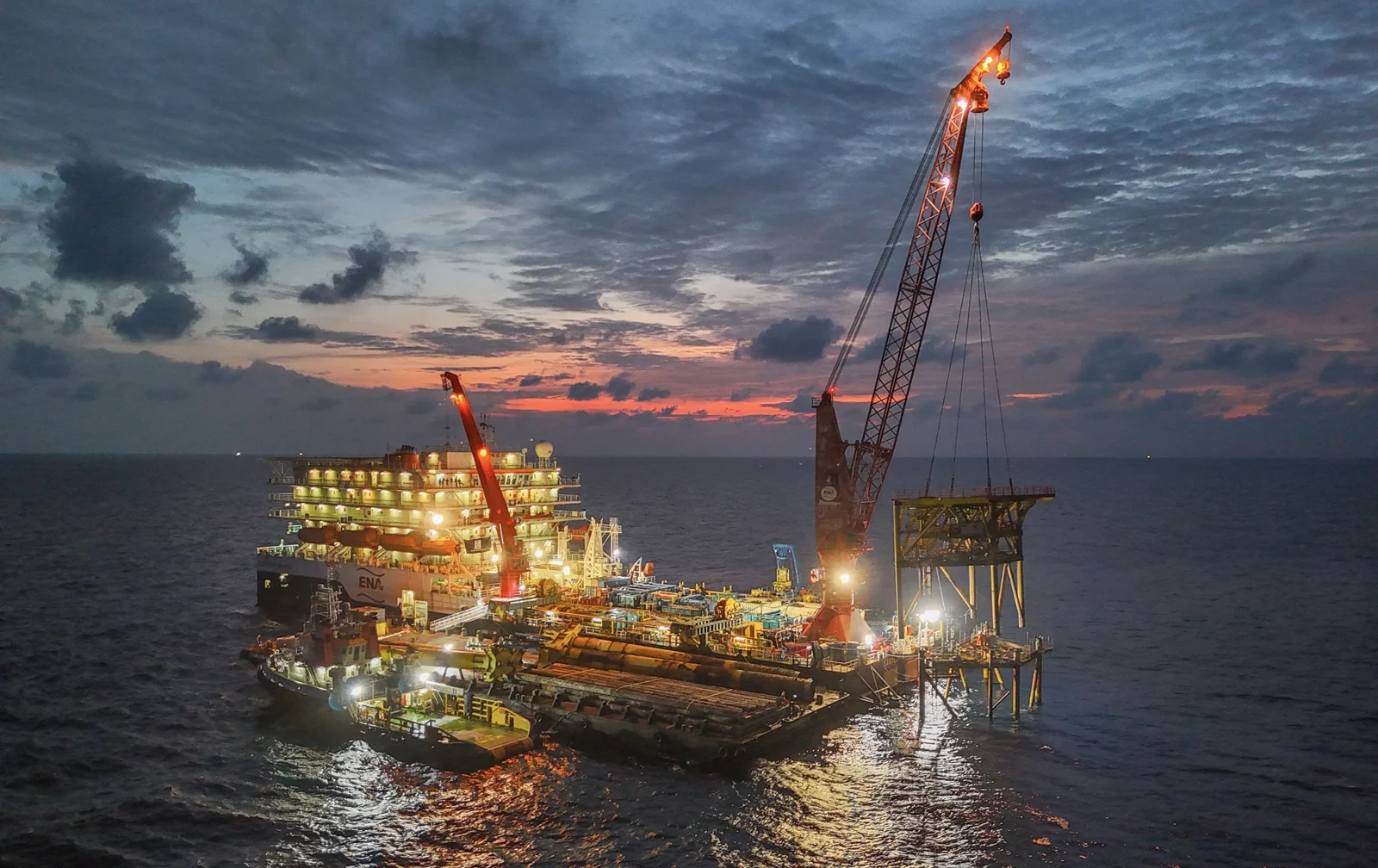
Marine Masters / South Angsi Alpha / Malaysia
Documenting the people, precision and decisions behind South Angsi Alpha decommissioning.
See how we shaped the storyWatch the published film on YouTube.
The assignment
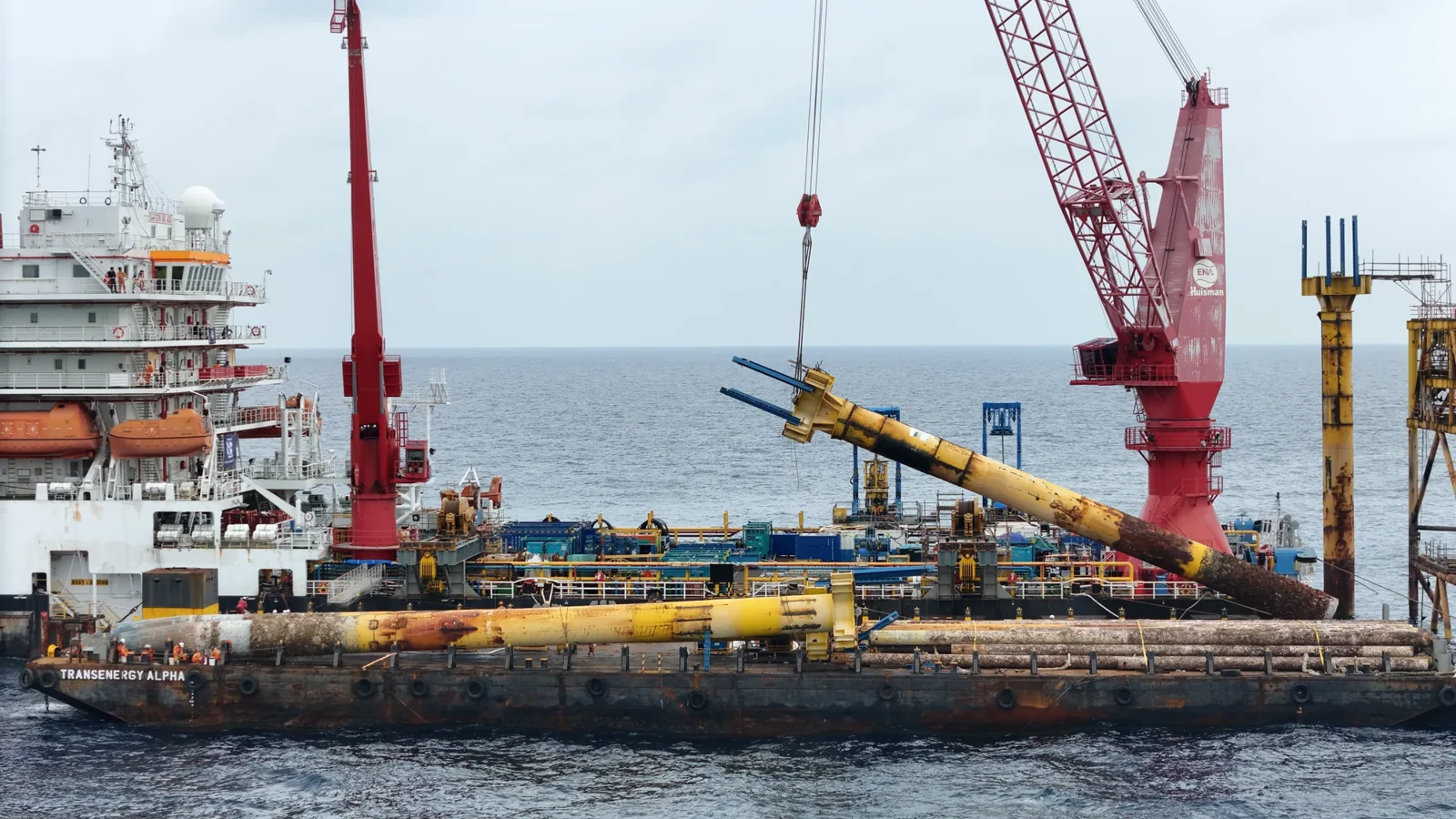
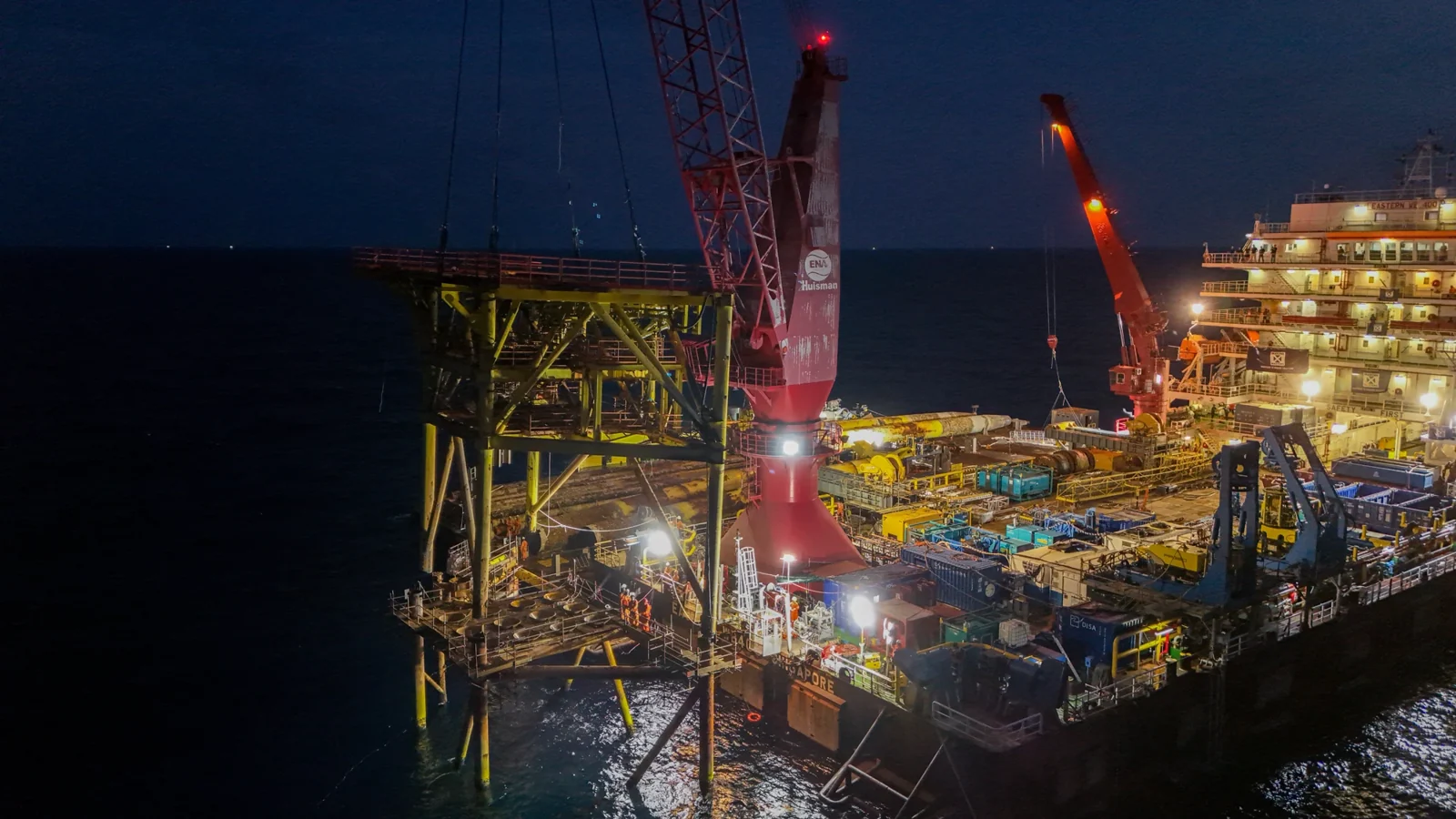
PurplePerfect documented Marine Masters’ South Angsi Alpha project through offshore photography, drone filming and documentary development. The challenge was to make interconnected operations clear enough for an engineering audience—and compelling enough for a wider one.
PurplePerfect’s production workflow
Four connected stages kept the filming plan, technical explanation and intended audience in view.
Align critical operations, access windows, mobilisation and HSSE requirements.
Coverage prioritiesRecord scale, working detail and people. Share photographs as the offshore programme develops.
Usable project recordsReview equipment, terminology, shot order and narration with project specialists.
A technically coherent storyAdapt the emphasis and length for project learning, stakeholder communication or client meetings.
A film with a defined purposeTechnical feedback informs the edit throughout. Offshore activities can overlap; this diagram describes our production workflow.
One operation. Different communication needs.
PurplePerfect worked closely with Marine Masters, Hibiscus Petroleum and PETRONAS to understand the visuals and footage each team needed.
For PETRONAS, that included footage for ESG branding and messaging. This added an editorial question to the technical brief: which images could communicate the work responsibly, and what context would viewers need?
Engineering detail and project delivery

Project visuals and footage requirements
Footage for the stakeholder’s branding and messaging needs
The editorial discipline
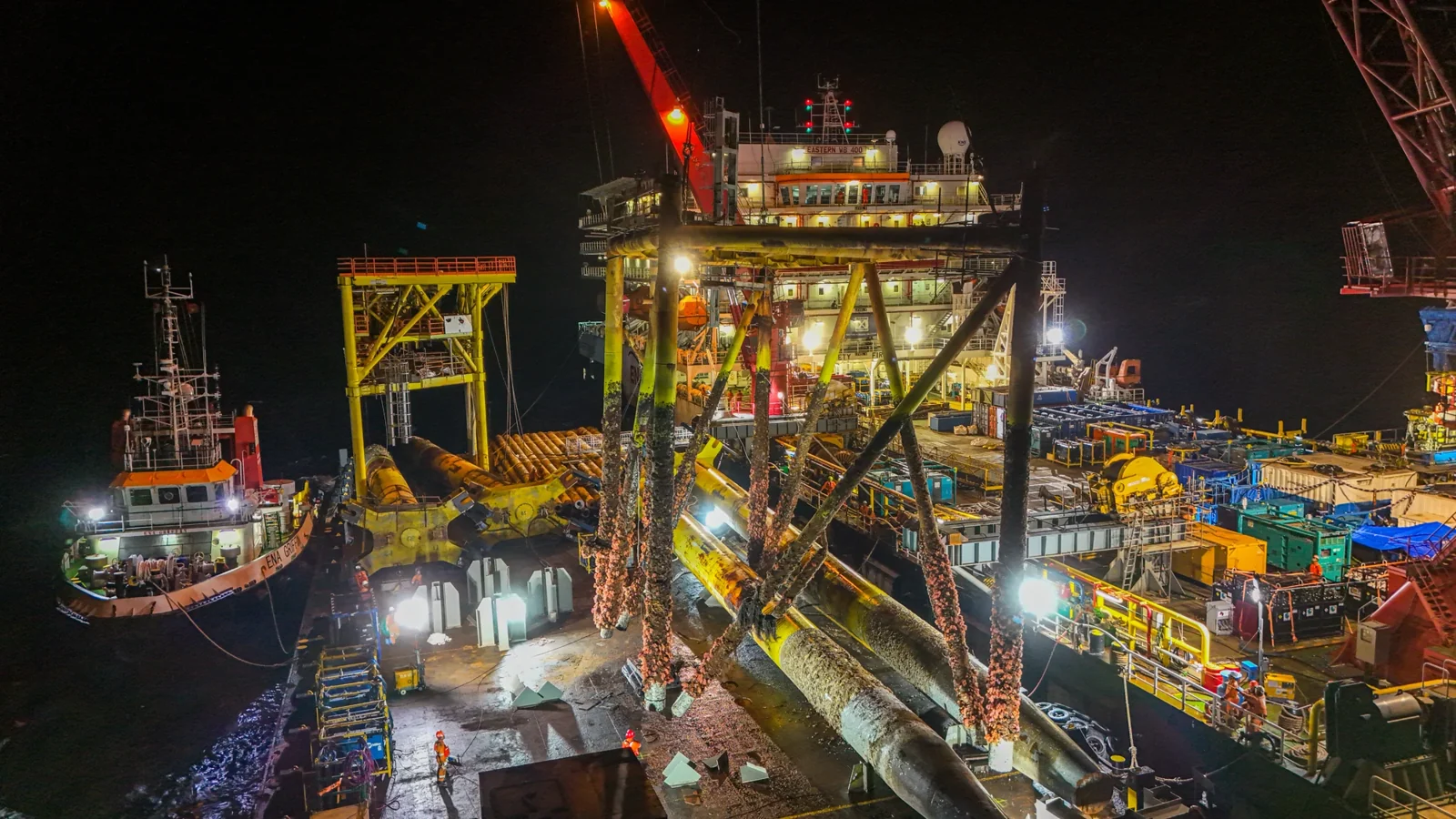
A topside already on the barge cannot appear before a shot that presents it as still suspended. “Load-in” cannot stand in for another contractor’s disposal scope. These were the kinds of distinctions that shaped the documentary.
For the engineering reader
Explore the five technical subjects that informed the review.
The review distinguished the custom gangway access platform from other deck equipment and explained why temporary access was required. Later feedback broadened a chapter title to “Platform preparations”, reflecting work involving the wellhead access platform, jacket and conductors as well as the topside.
The client's explanation covered the removal of 13 conductors and the relationship between preparation, lifting, cutting and securing the recovered sections. The documentary needed the images to follow that relationship so the viewer could understand the purpose of each activity.
A crucial correction distinguished the above-water separation of the topside from subsea cutting associated with jacket reefing. The client described the topside's securing plates being cut as load transferred to the strandjacks. The film's explanation had to keep those operations distinct.
Marine Masters asked for “Load-in” to replace “Disposal” as the chapter heading. That change defined the scope accurately: moving the recovered topside ashore was a particular operation, while disposal belonged to another contractor's scope.
The custom Overboard Lifting System needed an explanation of its role. Client review described its cantilever beams, lifting winches and wire arrangement, connecting what the viewer saw on deck with the later handling of jacket sections.
Different audiences, different edits
A version screened at the project’s Lessons Learnt event on 10 September 2025. Technical refinement continued afterwards.
A focused three-to-four-minute account of Marine Masters’ contribution for future client meetings.
Visual material selected around the organisation, audience and message—including PETRONAS’ ESG communication needs.
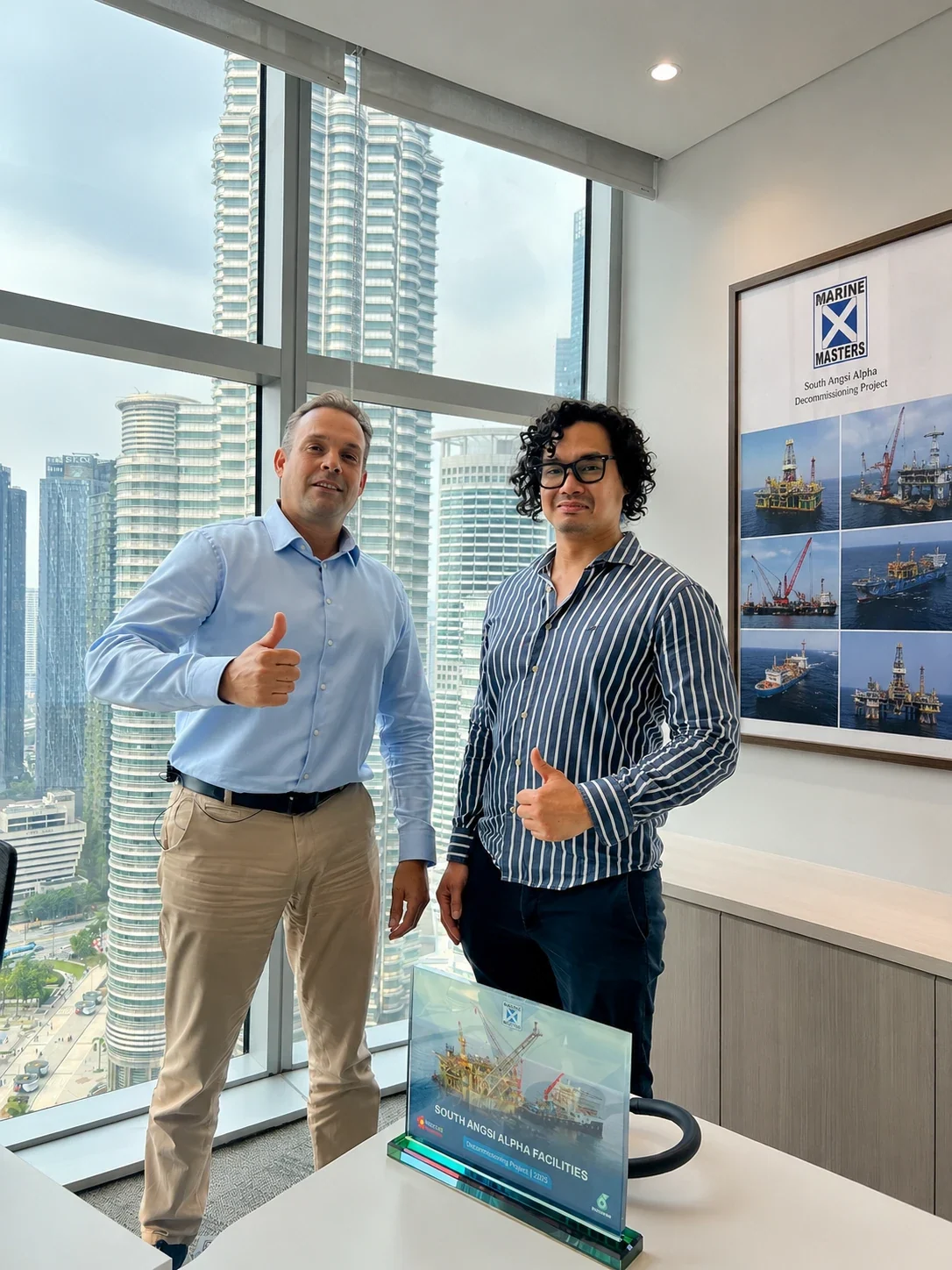
A working relationship
Which operation happens only once? Who can explain it? What needs to be visible? Close collaboration helps the production team recognise the moments that matter.
What technical review changes
In the South Angsi Alpha documentary, technical review reached beyond the names of equipment. It examined the relationship between what the audience saw and what the narration said was happening.
One review clarified how surveyors monitored vessel movement through the positioning system as the transportation barge manoeuvred beneath the topside. The wording mattered: it needed to describe the roles accurately, rather than imply that one team controlled a system it was monitoring.
Comments were consolidated into a single review response. That gave the edit and script a common reference for the next revision. A technically informed reviewer can then check a defined change, rather than compare competing instructions scattered across conversations.
Making the film usable
The documentary was developed as a full account of the operation, with individual sections also made available for review. This helped the project team examine particular activities while keeping sight of the overall sequence.
For a comparable assignment, agree which audience needs the complete story and whether shorter sections have a defined purpose. Narration, captions and graphics should be checked against the same approved technical explanation.
For a similar assignment
Start with the project phases, filming window and intended use. If those are still moving, tell us which decisions are firm and which depend on the operating programme.
Share the project phases, filming window and intended use. We’ll help scope the coverage and story.